
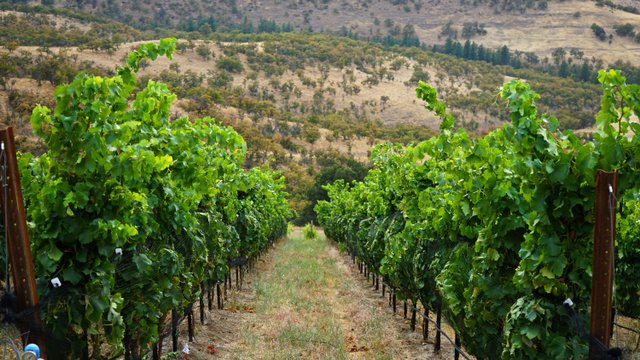
Since the first grapes were planted in the state 50 years ago, Oregon is now recognized as one of the world’s elite winemaking regions. With 23 designated wine growing areas located in five diverse regions, Oregon boasts more than 900 wineries producing wine from over 80 grape varieties.
Oregon’s wines have benefited from the state’s varied but accommodating climate and unique terroirs. Most of its wineries are small and family owned, many producing fewer than 5,000 cases annually. They can be found sprinkled along country roads, tucked into mountain foothills, situated high above vineyards with breathtaking views of the landscape and now in downtown storefronts on historic main streets.
Oregon has more than 500 wine tasting rooms and are worth the pilgrimage.
All of this made wine touring one of Oregon’s top draws. In 2016 (the most recent year for which statistics are available), wine-related tourism contributed almost $787 million to the state, up from $295 million in 2013, a 162% increase over three years.
According to a study by Longwoods International and released by Travel Oregon in 2016, 11% of people visiting Oregon statewide participate in winery tours and wine tasting. In the Willamette Valley, that number rises to 17% and is the #3 activity of special interest following visiting historic places.
Oregon wines are available online, at restaurants and from fine wine stores throughout the U.S. and around the world, but there are many small-batch offerings only available at the wineries’ tasting rooms.
Here is our story.
Place
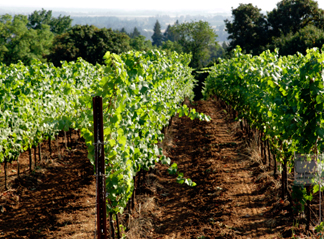 All wines come from someplace, but the best wines can only come from an extraordinary place. Oregon is an extraordinary place for wine.
When Oregon’s wine pioneers looked out across the state’s varied landscape, they saw what others couldn’t: a perfect place for wine.
They understood that Oregon’s northerly latitude meant grapes would get extra growing season sunlight for long, even ripening, and that crisp, cool nights would help grapes retain their freshening acidity. Such a combination meant Oregon grapes would naturally achieve mature, balanced flavors and full varietal character. The resulting wines, they surmised, could be sustainably grown and made without dramatic manipulation to be naturally fresh, lively, and have true-to-the-fruit flavors.
They were right. Today, the suitability of Oregon for great wine is unquestioned. There’s a home in Oregon for any wine grape, from Arneis to Zinfandel.
In the marine-influenced Willamette Valley, cool-adapted grapes such as Pinot noir, Pinot gris, Riesling and Chardonnay ripen to perfection, producing elegant wines with a global reputation. In the warm, high-elevation vineyards of Southern Oregon and the Walla Walla Valley, heat-loving varieties including Cabernet Sauvignon, Tempranillo, Syrah and Viognier are crafted into head-turning wines earning top scores from national critics. And in the Columbia Gorge and Eastern Oregon, varied microclimates allow winemakers and growers the luxury of working with the widest range of grape varieties of anywhere in the state.
If you were a wine grape, you’d want to be planted in Oregon.
People
 It takes great people to make great wine.
In Oregon, it’s all about the wine, not the image. Oregon’s winemakers wear jeans, not chinos; boots, not boat shoes. They speak more of sustainable farming than creative branding, of biodynamics instead of market dynamics. They are an unpretentious and independent lot who are as committed to the pursuit of their entrepreneurial wine vision as they are to the collaborative protection and advancement of Oregon wine quality.
It’s always been that way. Oregon’s wine community was founded by free thinkers who stubbornly planted Pinot noir where accepted wisdom said the grape would not grow – because they were convinced they could make their greatest wines only in Oregon. They were right.
Since then, second-generation and new wave Oregon winemakers continue to build on that heritage. They established the toughest wine labeling laws in the nation and imported never-seen-in-the-US grape clones to ensure they could continue to craft the best possible wine quality. They still pioneer new wine grapes for North America, including Tempranillo, Albariño, Grüner Veltliner, Lagrein and Vermentino. And they have established Oregon as a leader in sustainability, setting new standards for organic, biodynamic, and eco-sound vineyard and winery practices.
Above all, they maintain the primacy of quality: lower yields in favor of quality are embraced; excess fruit is stripped from the vine so what remains will ripen better; just-picked grapes are inspected to eliminate substandard fruit; native yeast fermentation helps keep the character of the terroir. Nothing is spared to create quality wines; Oregon’s vines are hand-tended, the wines hand-crafted.
Eccentric? Perhaps. Uncompromising? Definitely. Oregon? Absolutely.
Wine
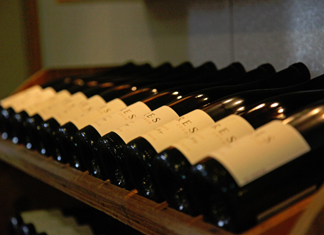 Authentic wines honestly made – that’s what you find in Oregon.
Oregon wines taste of the land. The French call it terroir. We call it delicious.
A Pinot noir from the Dundee Hills has lean ripe cherry and strawberry notes, reflecting the iron-rich redness of its volcanic soil. A sophisticated Syrah from the Walla Walla Valley shows swaths of minerals and herbs, reminiscent of the cobblestone ground where the vines grow. A suave Viognier offers creamy touches of apricot and honey, conjuring images of summer sun and wildflowers in Southern Oregon vineyards.
Oregon wines taste this way on purpose. A key Oregon principle is to match the grape variety to the place where it will grow best, not just where it is able to grow. That’s why Willamette Valley Pinot noir is so wonderful: a cooler climate is best for that grape; and why Tempranillo from the Umpqua Valley is so full of character: that variety prefers warmer temperatures.
Oregon winemakers also know that to get the best from the grape, they must get out of Nature’s way. The majority of Oregon’s vineyards are organic, many are biodynamic, and the prevailing winemaking philosophy is “nonintervention,” meaning do as little as possible to manipulate the wine − let nature do it naturally.
The result is wines that have a genuine freshness, balanced fruit, and true varietal flavor: wines that taste of the place they were grown. And in a place as pristine, natural and diverse as Oregon, you might expect our wines would show the same qualities. You’d be right.
From sprightly sparklers and jaunty rosés, to minerally Rieslings and peachy Viogniers; from elegant Pinot noirs and sumptuous Syrahs, to classy Cabernets and dulcet dessert wines, Oregon’s wine variety will satisfy anyone’s palate.